As an Amazon Associate I earn from qualifying purchases. Some links in this post are affiliate links, at no extra cost to you.
Sunday rolls around, you have every intention of cooking for the week, and then you stand in your kitchen staring at mismatched groceries you impulse-bought without a plan. By Thursday, half of it is wilted, you’re ordering takeout, and the cycle starts again. Sound familiar? You’re not alone, and often the barrier isn’t motivation. It’s a missing routine or system. Related reading: kitchen decor.
This easy weekly meal prep guide for beginners gives you a complete, repeatable system: a recipe formula, a budget shopping list, a timed cooking schedule, and a storage plan you can run every single week. A solid beginner meal prep routine isn’t about cooking elaborate meals on Sunday. It’s about making five decisions ahead of time so you don’t have to make twenty decisions mid-week. Everything here is built around what actually works for real home cooks, and it reflects the practical, no-stress approach we live by at NestKitchenMeals.
Follow each step in order and you’ll walk away with a framework for a prep session that runs about an hour and covers four to five days of real food, with safety in mind the whole way.
Step 1: Pick Your Recipes Before You Open a Single Cabinet
The most common beginner mistake is heading to the grocery store without a recipe plan, or worse, pinning fifteen things and committing to none of them. Choosing your meals first is the move that makes everything else fall into place: your shopping list writes itself and your cooking order makes sense. You stop buying ingredients that have no business being in the same fridge. You will find more ideas in cooking tips.
The 3-Recipe Beginner Formula, Your Easy Weekly Meal Prep Starting Point
Three recipes is the right number for your first few weeks. One breakfast component, one lunch base, one dinner build. Three recipes means a manageable shopping list, a predictable cook time, and far less decision fatigue when you open your fridge at 6:30 on a Tuesday. Trying to prep five completely different dishes right out of the gate is how people burn out and quit by week two.
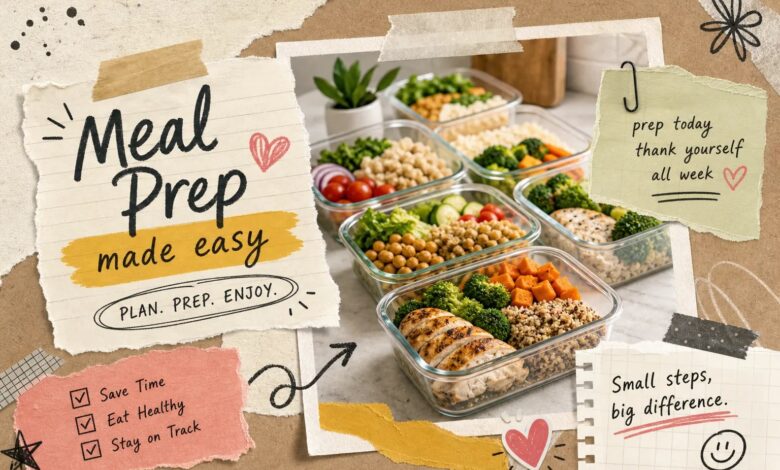
The formula to follow is simple: one protein, one grain, and two vegetables. That combination gives you a full week of flexible meals without repeating the exact same plate every night. Mix and match across the week and nothing feels monotonous.
Beginner-Friendly Meal Types That Hold Up All Week
Not all meals are created equal when it comes to make-ahead cooking. Some ingredients fall apart after a day in the fridge; others actually improve. The meal types that consistently hold up for four to five days are grain bowls with chicken and rice or quinoa, soups and chili, pasta salad with a protein, and sheet-pan chicken with roasted vegetables. These are the workhorses of any beginner batch cooking session.
For breakfast, overnight oats or egg muffins add almost no prep time and cover you through day four without any reheating skill required. NestKitchenMeals has beginner-friendly recipes for all of these meal types, a solid starting point before your first session.
Step 2: Build a Grocery List That Actually Saves You Money
A budget shopping list for meal prep isn’t just a list of cheap ingredients. It’s a list of ingredients that work across multiple meals so less food goes to waste. That’s the real money-saving move.
Shop by Ingredient Overlap, Not by Recipe
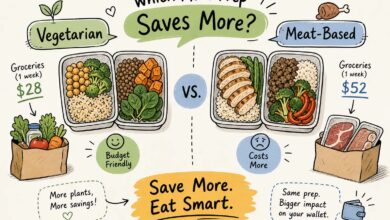
Chicken thighs work in a grain bowl on Monday and a soup on Wednesday. Canned beans fold into a pasta dish and a stir-fry. Frozen mixed vegetables pair with rice bowls and sheet-pan dinners. When you shop by overlap instead of by individual recipe, you trim your grocery bill and cut down on food that spoils before you get to it. For one person, a realistic weekly prep grocery haul lands between $32 and $60, based on a standard U.S. grocery chain, depending on how much fresh versus frozen produce you choose.
A Simple Starter Shopping List
Keep your list to 15 to 20 items organized by category. Here’s a practical framework that covers breakfast, lunch, and dinner for four to five days:
- Proteins: chicken thighs or breast (1 to 2 lb), one dozen eggs, two cans of tuna or chickpeas
- Grains: one bag of rice or quinoa, one box of pasta, one container of oats
- Vegetables: one to two bags of frozen mixed vegetables, one bag of spinach, carrots, one onion, one garlic bulb
- Pantry staples: two cans of diced tomatoes or pasta sauce, soy sauce or your go-to seasoning blend, peanut butter
- Fruit and dairy: bananas, apples, plain yogurt or milk for overnight oats
That list gives you a breakfast option, multiple lunch bases, and a dinner build, and it’s designed to minimize waste by relying on overlapping ingredients throughout the week. Rotate produce into earlier meals and freeze anything you know you won’t reach by day four.
Step 3: Follow This 1-Hour Batch Cooking Order, Easy Weekly Meal Prep for Beginners
The difference between a smooth prep session and a stressful one is sequencing. When you start the right things at the right time, your oven and stovetop do the work while your hands are free for lighter tasks. One hour is genuinely enough for three to four days of lunches and dinner components when you cook in the right order. Note that most cooked items are best eaten within three to four days for food safety; grains and beans can generally stretch to day five if stored properly in airtight containers.
Start With What Takes the Longest
Get oven items in first. Sheet-pan chicken and roasted vegetables need the most time and the least attention once they’re in. While the oven runs, start your grain on the stovetop. Rice, quinoa, or pasta can cook hands-off after the first few minutes. That overlap is what makes the one-hour session realistic. You’re not cooking one thing at a time; you’re running three things in parallel.
A Realistic Minute-by-Minute Breakdown
Minutes 0 to 10: Preheat the oven, wash your hands, set out containers and tools, and season your protein. Rinse your grain and get water boiling if you’re making pasta or rice.
Minutes 10 to 25: Get the sheet-pan chicken and vegetables into the oven. Start the grain on the stovetop. Use this window to chop any raw vegetables you plan to use in salads or grain bowls.
Minutes 25 to 45: Hands-off cooking. Your oven is handling the protein and vegetables; your stovetop is handling the grain. This is a good time to assemble overnight oats in jars, portion out snack items, or whisk together a sauce or dressing.
Minutes 45 to 55: Pull everything out and start portioning into containers. Keep grain, protein, and vegetables separate so textures hold up when you reheat.
Minutes 55 to 60: Wipe down the counter, load the fridge, and label anything going into the freezer. You’re done.
Step 4: How to Portion and Store Each Meal Safely
Good storage is what separates a meal prep system that works from one that results in a fridge full of food you don’t trust. A few simple rules and the right containers make all the difference.
Container Basics: What to Buy and How Many You Actually Need
A starter set of 8 to 12 containers covers most people’s weekly needs. Aim for five medium containers at 24 to 32 oz for main meals, two to four small containers at 8 to 16 oz for sauces and snacks, and one large container for batch-stored grains or soup. Glass containers are the better choice for reheating and don’t absorb odors or stains over time. BPA-free plastic is lighter and cheaper if you’re starting on a tight budget. A solid starter set typically runs between $30 and $60. The NestKitchenMeals kitchen gear guide has specific picks if you want concrete options.
How Long Your Prepped Food Actually Lasts
Cooked chicken, rice, roasted vegetables, and soup all stay safe in the refrigerator for three to four days when stored in airtight containers at 40°F or below. To stay within food-safety guidelines, move cooked food into containers and refrigerate within two hours of cooking. Anything you won’t eat by day four should go into the freezer the same day you cook it, right after it cools. In the freezer, cooked proteins and soups hold well for two to three months. The practical rule: refrigerate what you’ll eat within three to four days, freeze the rest the same day you cook it. Always store dressings and crunchy toppings separately so your meals don’t turn soggy by day two.
Step 5: Simple Make-Ahead Recipe Ideas for Each Meal Slot
The goal here isn’t to hand you a rigid meal plan. It’s to give you a set of reliable options so you always know what to reach for when you’re building your three-recipe list.
Breakfast and Lunch Options That Stay Fresh for 4 to 5 Days
Overnight oats are the easiest breakfast prep you’ll ever do. Mix oats, milk or yogurt, and fruit in a jar the night before your session starts, and you have grab-and-go breakfasts for four days. For lunch, pasta salad with canned tuna or chicken, grain bowls with roasted vegetables and a simple sauce, or chicken salad portioned into small containers all travel well and require zero reheating skill. Keep your dressing in a separate small container until you’re ready to eat so greens don’t wilt. NestKitchenMeals has beginner lunch recipes that pair directly with this approach if you want specific combinations.
Dinner Components That Reheat Well Every Time
Sheet-pan chicken reheats quickly in the microwave, typically one to three minutes depending on your microwave’s wattage and portion size. Add a splash of water to the container to prevent drying out, and always reheat until the internal temperature reaches 165°F. Soups and chili are genuinely better on day two after the flavors settle. Baked pasta or casseroles hold up through day four when sealed properly. The smarter dinner strategy for beginners is to store components separately and combine them when reheating. Keeping the grain, protein, and vegetable in separate sections gives you texture control and lets you mix and match instead of eating the same assembled plate four nights in a row. Related reading: non-stick cookware sets for beginners.
Step 6: How to Repeat This System Every Week Without Burning Out
The first session will feel slower than expected. That’s normal. The second session feels noticeably easier because the decisions are already made. Many people find that after a few weeks, the process becomes much faster and more automatic, often clocking in well under an hour.
The Sunday Reset That Takes Less Than 5 Minutes to Plan
Before you shop or cook anything, spend five minutes choosing three recipes and checking what pantry staples you already have on hand. That’s the entire planning step. To avoid boredom, rotate one or two recipes each week. Swap the protein (chicken one week, beans the next) or the grain (rice to pasta) and your meals feel different without rebuilding the system from scratch. Small swaps create variety; the structure stays the same.
How to Build Your Recipe Rotation Over Time
Once you’ve run your first session using the three-recipe formula, the next step is expanding your rotation. NestKitchenMeals publishes beginner cooking technique guides, freezer meal ideas, and weeknight dinner recipes that slot directly into this weekly batch cooking for beginners system. The more recipes you add over time, the more interesting each week becomes, without adding complexity to your Sunday session. Bookmark the site and check back regularly; as your confidence builds, you’ll naturally prep faster, waste less, and spend less at the grocery store.
Start Your First Easy Weekly Meal Prep Session This Weekend
The system is straightforward: pick three recipes with overlapping ingredients, shop with a focused list under 20 items, follow the timed cooking order with oven items first, portion into airtight containers, and repeat the same structure next week. Your first session will take the full hour. Many people find that by the third or fourth session, the whole thing wraps up in 45 minutes or less.
Progress comes from repetition, not perfection. The structure does the heavy lifting, you just have to show up once.
This easy weekly meal prep guide for beginners is designed to get you through that first session with confidence. Head to the NestKitchenMeals recipe library, pick one meal that sounds good to you right now, and commit to a single prep session this weekend. One recipe, one session. That’s how the habit starts.