As an Amazon Associate I earn from qualifying purchases. Some links in this post are affiliate links, at no extra cost to you.
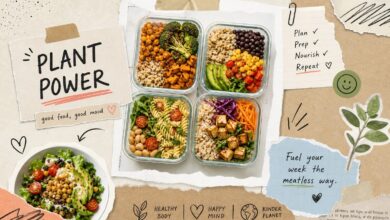
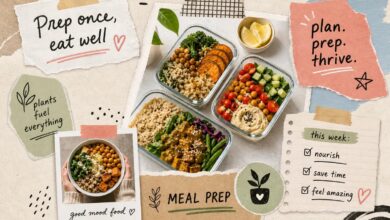
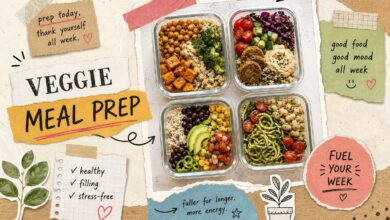
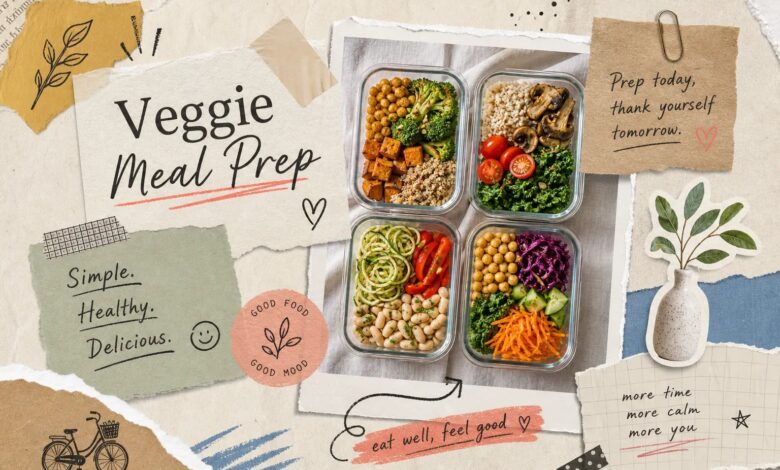
The biggest fear people bring to vegetarian meal prep isn’t the cooking. It’s the hunger. The thought of pulling a container out of the fridge on Wednesday night and feeling like you’re eating rabbit food while your energy crashes is enough to keep most beginners from ever starting. That fear is understandable, and it’s also wrong. A well-built week of plant-based meals, prepped in one focused session, can be more filling, more varied, and cheaper than a meat-heavy prep routine.
At NestKitchenMeals, our vegetarian recipe library and meal prep container guides were built specifically for people standing at this starting point: curious but skeptical, willing to try but not sure where to begin. This guide walks through the full picture so you can actually execute a first prep week, not just read about one. You’ll get the protein sources that keep plant-based meals satisfying, beginner-friendly batch recipes that last through Friday, a timed cooking schedule, and storage methods that protect texture and flavor from Sunday prep to Thursday dinner.
Why vegetarian meal prep is easier (and cheaper) than you expect
Plant proteins batch-cook better than most meats
Here’s the practical reality that most meat-based meal preppers don’t realize until they try it: tofu, lentils, chickpeas, and grains are more forgiving ingredients than chicken breast or ground beef. Cooked chicken often loses moisture and quality after several days in the fridge, and the USDA recommends using it within three to four days for best results. Beef can lose texture and pick up refrigerator odors over several days, depending on the cut and storage conditions. Many plant proteins are more forgiving in batch-cooking and often retain texture and flavor better across those same several days. Lentils actually absorb sauces more deeply as they sit, a common culinary observation is that your Tuesday lunch can taste better than your Sunday dinner. Baked tofu commonly holds up for three to five days when stored correctly, though some slight texture changes may occur. Chickpeas in a curry base tend to get creamier, not mealy, over time.
This makes a real difference during prep. You don’t need to worry about exact internal temperatures, carry-over cooking, or whether your protein will hold up if you get distracted by something else on the stove. The margin for error is wider, and the results are more consistent across the week.
The cost difference is real
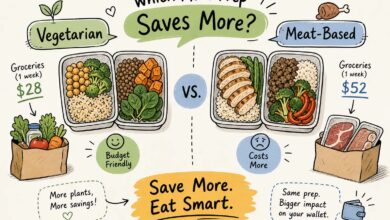
A can of chickpeas commonly runs around a dollar at most U.S. grocery stores, though prices vary by store and region. A bag of red lentils typically costs two to three dollars and makes enough for multiple meals. Compare that to the price of chicken thighs or ground beef for a week’s worth of meals for two adults, and the savings add up fast. A full week of vegetarian meal prep for two adults, including grains, canned proteins, and fresh vegetables, can cost significantly less than a meat-heavy equivalent while still meeting or exceeding protein targets per meal. Less money, fewer decisions at the grocery store, and no guesswork around safe meat handling during prep.
The protein sources that actually keep plant-based meals filling
High-protein plant staples to build every meal around
The core proteins for a week of satisfying meatless meals are: tofu, tempeh, seitan, lentils, chickpeas, black beans, and edamame. Each one has a clear best use case. Tempeh brings about 19 to 20 grams of protein per 100 grams and works well in stir-fries, grain bowls, and tacos. Firm or extra-firm tofu delivers 17 to 20 grams per cup and handles baking, scrambling, and sheet-pan meals without falling apart. Seitan is the most protein-dense of the group at roughly 25 grams per 100 grams, making it ideal for bowls and wraps when you need maximum protein in a smaller volume. Lentils, chickpeas, and black beans all land around 15 to 18 grams per cooked cup and form the backbone of soups, curries, and grain bowl bases.
The practical target for most meal prep containers is 25 to 30 grams of protein per meal. Reaching that number is simpler than most beginners expect when you combine two sources in one container. One cup of lentils plus a cup of edamame, for example, gets you well into that range. A tofu and black bean bowl over quinoa hits the target without needing any precise measurement.
Dairy and egg options that boost protein with no extra effort
If your vegetarian approach includes dairy and eggs, you have three easy breakfast and lighter-meal proteins that need almost no prep skill: Greek yogurt, cottage cheese, and eggs. A cup of cottage cheese delivers 24 to 25 grams of protein on its own. Add it to baked oats with hemp seeds and you’ve built a breakfast that stores well for five days and keeps you full until lunch. Three eggs combined with black beans in a frittata gives you a complete, portionable breakfast that holds up in the fridge for four days. Greek yogurt works as both a breakfast base and a sauce component, pulling double duty across multiple meal types during the week.
A simple formula for hitting your protein target
The most repeatable approach is a two-source structure: one concentrated protein base paired with one supporting protein. Think of it this way, your base might be tofu, tempeh, seitan, lentils, Greek yogurt, cottage cheese, or eggs, while your supporting protein fills in with beans, edamame, chickpeas, or hemp seeds. Build every container around that pairing, add a grain and two vegetables, and you’ve got a complete meal without calculating macros each time. This formula works across breakfasts, lunches, and dinners, and it’s flexible enough that no two days need to look the same.
A simple 2, 3 hour batch cooking schedule that actually works
What to start first and why the order matters
The key to finishing a full week of prep in under three hours is running multiple things at the same time, which means starting the items that need the most passive time first. Grains go on the stove immediately: rice, quinoa, and farro all cook unattended and take 20 to 40 minutes depending on the type. While those are going, get your roasted vegetables and baked tofu into the oven. Roasting takes 25 to 40 minutes at high heat and needs almost no attention once the tray is in. Use the stove simultaneously for lentils or a chickpea curry base. Within about 45 minutes of starting, you’ll have three things cooking at once, and the total kitchen time collapses from what would otherwise be several hours into a focused 2 to 2.5 hour window. If you want to go further, kitchen decor covers it in detail.
The specific order looks like this:
- Minutes 0, 15: Wash, chop, and preheat the oven.
- Minutes 15, 45: Start grains on the stove and load the oven with vegetables and tofu.
- Minutes 20, 75: Get stovetop lentils or beans going alongside the grains.
This overlap is where the real time savings happen. Nothing is sitting idle, and you’re not cooking one thing at a time.
Sauces and portioning: the final 40 minutes
Once the main components are cooking, use the remaining stovetop time to mix one or two simple sauces. A tahini-lemon dressing takes five minutes. A yogurt-herb sauce takes three. These two sauces transform the same batch of roasted vegetables and grains into meals that taste completely different on Monday versus Thursday, without any additional cooking. When everything finishes, let the food cool briefly before portioning, avoid sealing very hot containers, since trapped steam creates condensation that softens textures and shortens shelf life. Once the surface has cooled enough to release steam, portion into containers and label each one before sealing. That labeling step is what makes the difference between a fridge full of mystery containers and an organized system you’ll actually use. See also: cooking tips.
Beginner-friendly vegetarian meal prep recipes to start with
Recipes that last 3, 5 days in the fridge
Start with dishes that are built to last. Vegetable and bean soups, chickpea curry, lentil salads, grain bowls with roasted vegetables, and tofu stir-fry bases all hold up for four to five days when stored correctly. The practical rule: keep components separate when possible. Store dressings in a small side container, keep croutons or toasted seeds in a separate bag, and don’t dress salads until you’re ready to eat. A grain bowl with the sauce stored separately stays fresh and texturally intact on day five the same way it did on day one.
Think of your prep as a mix-and-match system rather than five different complete meals. One batch of quinoa, one batch of roasted broccoli and sweet potato, and one chickpea curry base can be assembled into three to four different meal combinations across the week. That variety keeps the week from feeling repetitive, which is one of the most common reasons beginners abandon meal prep after a single attempt.
What to freeze when you cook a big batch
Anything you won’t eat within three to four days goes into the freezer immediately after portioning, not after it’s been sitting in the fridge for two days. The best freezer candidates from a vegetarian prep session are lentil soup, bean chili, veggie enchiladas, baked pasta, burritos, cooked grains, and baked oatmeal or breakfast muffins. Freeze in single-serving portions so you can pull exactly what you need without defrosting an entire batch. This approach helps reduce food waste, which is one of the most common frustrations for beginners who prep too much and end up throwing it out.
How to store everything so meals actually taste good on day four
Container choices that match the food
The container you use matters more than most people realize. Glass containers with tight-fitting lids are the most versatile choice for sauces and grains because they move directly from fridge to microwave without requiring a separate dish. Tofu stored in brine or water needs a rigid airtight container, ideally one where the block can sit submerged. Change the water every two to three days and it stays fresh for the full week. Roasted vegetables do best in shallow containers so steam can escape instead of pooling and making the vegetables soggy. Dressings and crunchy toppings always go in separate small containers or silicone bags. NestKitchenMeals’ meal prep container guides are designed to help you identify the right sizes and materials for each food type, a useful reference when you’re putting together your first storage kit. For more on this, see our small kitchen organization: the complete guide guide.
Reheating without ruining the texture
The microwave is convenient but it’s not always the right tool. Tofu and roasted vegetables reheat best in an air fryer or a hot oven; you get the crisp exterior back in about five to eight minutes, and the result tastes intentional rather than like leftovers. Grains reheat well in the microwave, but only if you add a splash of water and cover the container loosely. The steam is what restores the fluffy texture instead of turning the rice into a dry block. For salad-style meals, never reheat all the components together. Warm the tofu or grain portion separately, then assemble over fresh greens. That one habit is the difference between a meal you look forward to and one you eat out of obligation.
Building your first week of meatless meals
A practical shopping list to get started
For two adults covering a full week of breakfasts, lunches, dinners, and snacks, the core shopping list looks like this:
- Grains: rolled oats, brown rice, quinoa, pasta or noodles, tortillas or wraps
- Canned proteins: three cans chickpeas, three cans black beans, one small bag red lentils, one can brown or green lentils
- Fresh vegetables: broccoli, sweet potato, bell peppers, spinach, onions, garlic, carrots, lemons
- Pantry staples: tahini, peanut butter, canned tomatoes, mixed nuts, hummus
- Fresh proteins (if including dairy/eggs): Greek yogurt, cottage cheese, a dozen eggs
This list is intentionally simple. A first-time prepper doesn’t need to navigate 40 ingredients across three stores. It covers the two-source protein formula for every meal, gives you enough variety for a full week, and keeps the grocery run straightforward.
Using NestKitchenMeals’ vegetarian recipe library to plan your menu
Once you have your shopping list and your batch-cooking schedule in mind, the next step is slotting in specific recipes. The vegetarian recipe collection at NestKitchenMeals is designed around beginner-friendly, batch-cook-ready dishes: meals that hold up across multiple days, use the same base ingredients in different combinations, and don’t require advanced technique to execute. Browse the library to pick two to four recipes that sound good to you, map them against your shopping list, and you’ve got your first full vegetarian meal prep week planned in about fifteen minutes.
Start with one prep session and build from there
Vegetarian meal prep isn’t about giving things up. It’s about building a week of satisfying, high-protein, genuinely good-tasting meals in a two-to-three hour session that costs less than a meat-heavy equivalent. The approach works because of three things that reinforce each other: a protein strategy based on combining two sources per meal, a parallel batch-cooking schedule that gets multiple components cooking at once, and a storage system that keeps food fresh and texturally intact through Friday.
Start with one or two recipes from the NestKitchenMeals vegetarian recipe library, use the shopping list above as your grocery guide, and run through the cooking schedule once. The first session is always the slowest because the system is unfamiliar. By the second week, it becomes a routine. Explore the site’s container guides and recipe resources to make that first meatless prep week as smooth as it can be.