As an Amazon Associate I earn from qualifying purchases. Some links in this post are affiliate links, at no extra cost to you.
For meal prep beginners, the idea of a Sunday marathon can feel overwhelming: six burners going, dozens of containers lined up, and an entire week’s worth of food portioned like a professional athlete’s nutrition plan. That image keeps a lot of people from ever starting. The reality is much simpler. Meal prep, at its core, is spending about 60 minutes once a week cooking a few things in batches so your weeknights practically take care of themselves.
If you’re new to meal-prepping for beginners, the goal is not perfection. It’s building a repeatable habit that saves you time, reduces food waste, and cuts the number of decisions you have to make at 6 p.m. on a Tuesday. By the end of this guide, you’ll have a first-week plan, a shopping strategy, three starter recipes, and the storage rules to keep your food safe all week. If you want to go deeper after reading, NestKitchenMeals has a full library of beginner meal prep guides and easy recipe roundups worth bookmarking before your first session.
Meal Prep for Beginners: What It Actually Means
The core concept: cook once, eat all week
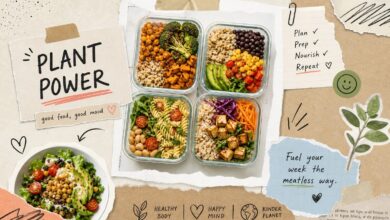
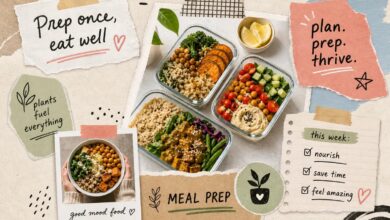
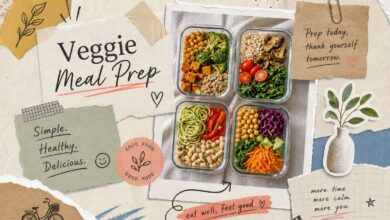
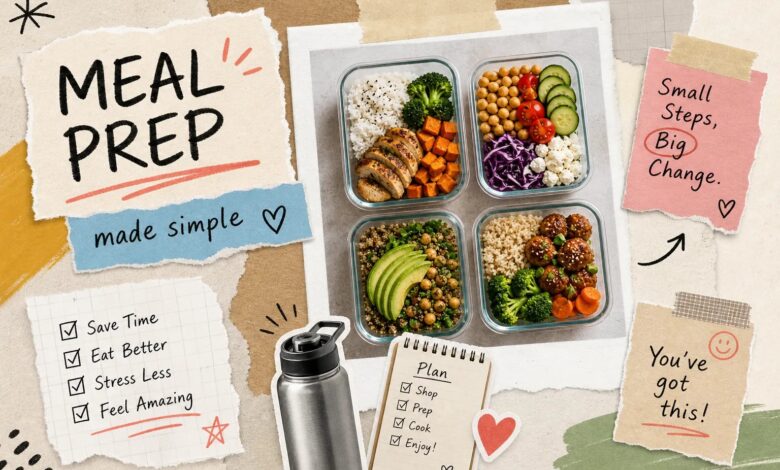
Batch cooking doesn’t mean making 21 separate meals. Instead, you cook two or three building blocks: one protein, one grain, and one roasted vegetable. From there, you mix and match those components into different combinations throughout the week. Monday might be chicken and quinoa with roasted broccoli; Wednesday, the same chicken goes over rice with a drizzle of sauce. You’re not repeating the same plate; you’re working smarter with the same ingredients. For more on this, see our cooking tips guide.
Compare that to daily cooking: chopping vegetables every night, waiting for water to boil, cleaning up the same pans. A single 60-minute session on Sunday eliminates most of that friction. The time savings add up fast, and the mental relief is just as valuable as the extra hours.
Why it works even when you’re busy
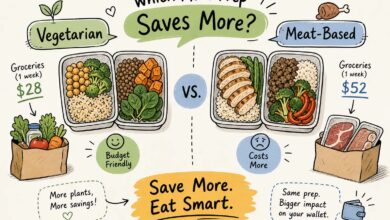
A few key benefits make this habit worth building. Fewer weeknight decisions top the list: when food is already cooked and portioned, dinner becomes a grab-and-reheat situation rather than a from-scratch effort. Less food waste follows naturally, since you buy ingredients with a plan and nothing sits in the back of the fridge until it goes bad. Lower grocery spending over time rounds it out, planning meals in advance makes it much easier to resist impulse takeout, which is consistently where food budgets get stretched.
In practice, the habit tends to pay for itself within a month. The upfront effort feels significant at first, but once the routine clicks, it becomes the thing that holds the rest of the week together.
What to Have Ready Before Your First Session
Container basics: what sizes actually matter
Your container setup matters more than most beginners expect. The right containers make portioning easy, keep food fresh, and make grab-and-go actually work. A solid starter set includes four to six glass containers around 30 oz (about 3.75 cups) for reheatable full meals, and four to six smaller containers in the one- to two-cup range for sauces, sides, and snacks.
Plastic containers are cheaper and lighter, which makes them good for transporting lunches. Glass holds up better in the microwave, doesn’t absorb stains or odors, and lasts longer overall. Whichever you choose, two things are non-negotiable: airtight lids and microwave-safe labeling. Leaky containers and non-microwave-safe plastics create problems you don’t want to deal with mid-week.
Pantry staples that make weekly meal prep easier
Stocking a small set of reliable staples means you can execute most beginner recipes without an extra grocery run. Think of these as your prep insurance: olive oil, kosher salt, canned beans, dried grains like rice and quinoa, garlic, canned tomatoes, soy sauce, and one versatile spice blend like a simple Italian seasoning or smoked paprika blend. With these on hand, you can almost always build a satisfying meal from whatever protein or vegetable you picked up that week.
How to Plan Your First Meal Prep Session (60 Minutes)
Pick one protein, one grain, one vegetable
This is the most important decision in your first session: keep the menu narrow. Choose one protein (chicken thighs, ground turkey, or lentils), one grain (quinoa or brown rice), and one sturdy vegetable (broccoli, sweet potato, or roasted peppers). That’s it. This building-block approach produces three to five days of lunches and dinners without any recipe repetition fatigue, because the components get combined differently each time.
Beginners who try to cook four or five different recipes in one session almost always hit burnout by the third dish. A narrow menu keeps the session manageable and leaves room to actually enjoy the process. NestKitchenMeals’ beginner recipe roundups are organized exactly this way, making it easy to pick new protein, grain, and vegetable combinations each week as your confidence grows. For more on this, see our kitchen decor guide.
The 60-minute session breakdown
Here’s how a first session actually runs, step by step:
- Plan the menu and gather containers (5, 10 minutes): Confirm your three building blocks, count out containers, and check that everything you need is in the kitchen.
- Wash, chop, and measure everything (10, 15 minutes): Prep all vegetables, season the protein, and measure out your grain before anything goes on heat.
- Start the longest-cooking item first (5 minutes): Get the oven preheating or the grain cooking before anything else so time runs in parallel.
- Cook with overlap (20, 25 minutes): Use the oven and stovetop simultaneously. While the protein roasts, the grain simmers and you’re free for light cleanup.
- Portion into containers, sauces last (10, 15 minutes): Divide everything into individual portions. Add sauces or dressings to separate small containers so nothing gets soggy.
- Cool, label, and wipe down (5 minutes): Let food vent before sealing, write the meal name and prep date on every container, and do a quick counter wipe.
Expect your first session to run 75 to 90 minutes rather than exactly 60. That’s completely normal. Once you know the recipe, the container system, and the workflow, the 60-minute version becomes realistic.
Three Easy Meal Prep Recipes for Your First Week
Recipe 1: Chicken quinoa bowls
Cook a batch of quinoa as your base, roast broccoli or peppers at 400°F until caramelized, and bake or pan-sear chicken breast until cooked through. Slice the chicken, portion everything into containers, and store a simple lemon-tahini or yogurt sauce in a separate small container on the side. All three components cook at different times and reheat independently, so nothing gets soggy by day three. Refrigerate for up to four days with the sauce stored separately; to reheat, microwave the grain and protein for 90 seconds and add cold sauce after. This is the most versatile beginner prep because the components work equally well for lunch and dinner with minimal adjustment.
Recipe 2: Lentil curry with brown rice
A one-pot lentil curry is one of the best make-ahead meals for beginners because it actually improves in flavor after sitting in the fridge for a day. Simmer red or green lentils with canned tomatoes, garlic, cumin, and a pinch of cayenne until thick, then serve over a batch of cooked brown rice. Add roasted cauliflower or a handful of spinach stirred in at the end for vegetables. A single batch covers four to five portions easily, making this one of the most budget-friendly options in any weekly meal prep plan, refrigerate for up to four days, or freeze individual portions for up to two months.
Recipe 3: Sheet-pan chicken and vegetables with couscous
Toss chicken thighs or breasts with olive oil, salt, and smoked paprika, then add chopped zucchini and carrots to the same sheet pan. Roast everything at 425°F for 25 to 30 minutes. While the pan is in the oven, prepare couscous on the stovetop (it takes about five minutes). Finish with a drizzle of simple vinaigrette or fresh herbs.
One pan means minimal cleanup, which is a genuine win for beginners still building the habit. Sturdy vegetables like carrots hold up better than delicate greens after three to four days in the fridge, so this one stays fresh and satisfying all week.
How Long Your Meals Stay Safe: Fridge and Freezer Rules
The 3-to-4-day refrigerator rule
Cooked proteins, cooked grains, and roasted vegetables all follow the same USDA guideline: safe to eat within three to four days when refrigerated at 40°F or below. Cooked chicken, ground turkey, lentils, rice, and quinoa all fall into this window. Prepared salads with dressings do not freeze well and also max out at four days refrigerated.
Write the meal name and prep date on every container before it goes in the fridge. This one habit eliminates the guessing game on day five and helps you eat everything before it needs to be tossed.
What freezes well and for how long
Soups, stews, lentil dishes, and cooked grains freeze well for one to three months without meaningful quality loss. Cooked poultry lasts four to six months in the freezer; cooked meat dishes hold up for two to three months. Raw vegetables and dressed salads do not freeze well, so stick to freezing only cooked, sauce-compatible components.
Food frozen at 0°F stays safe indefinitely, but flavor and texture start to drop after the recommended window. Freeze in individual portions so you can pull exactly what you need without thawing an entire batch.
Common Beginner Mistakes That Waste Food (and Simple Fixes)
Mistake 1: Prepping too much, too fast
The most common first-session trap is trying to cover all 21 weekly meals at once. That leads to overwhelm, food waste, and burnout by Tuesday. The fix is straightforward: start by prepping meals for your two or three busiest days only. Scale up once the routine feels natural and you have a sense of what you actually eat in a week.
Two related mistakes worth avoiding: choosing recipes that don’t reheat well, like dressed salads or delicate fish, and overloading the menu with new dishes you’ve never made before. Stick to familiar, forgiving recipes in the first few sessions.
Meal Prep Tips and Tricks: Labeling and Portioning
Unlabeled containers become mystery leftovers, and mystery leftovers become food waste. Containers packed without portioning individual servings turn into a mid-week scooping exercise that makes grab-and-go feel like extra work. Both problems are easy to fix at the end of the session before anything goes into the fridge.
Mark each container with the meal name and date at the pack-out step, and portion everything into individual servings right after cooking. For a simple portioning guide, use the 50/25/25 rule: half the container filled with vegetables, one quarter with protein, one quarter with grain. It keeps meals balanced without requiring any calculation.
Start This Sunday, Not Someday
Meal prep for beginners is not about building an elaborate system or cooking like a professional. It’s about choosing two or three recipes, blocking off 60 to 90 minutes, and building a habit that makes the rest of your week easier. That three-component framework, one protein, one grain, one vegetable, covers most of your meals without added complexity.
As you get comfortable with the first three recipes in this guide, NestKitchenMeals is the place to find rotating beginner-friendly recipe roundups, batch cooking guides, and meal prep tips and tricks for expanding your weekly rotation. There are combinations for every season, every budget, and every appetite. For more on this, see our small kitchen organization: the complete guide guide.
Pick one recipe from this guide, set aside Sunday morning, and run the first session. The second one will take half the time. That’s how the habit starts, and how meal prep beginners become confident, consistent home cooks. For more on this, see our best non-stick cookware sets for beginners: a buying guide guide.