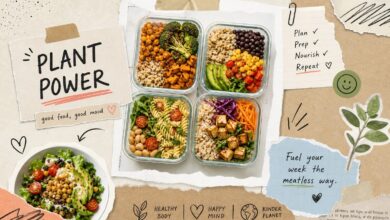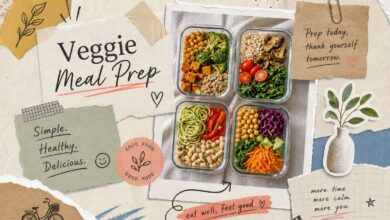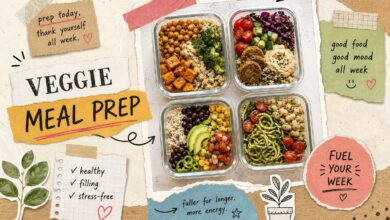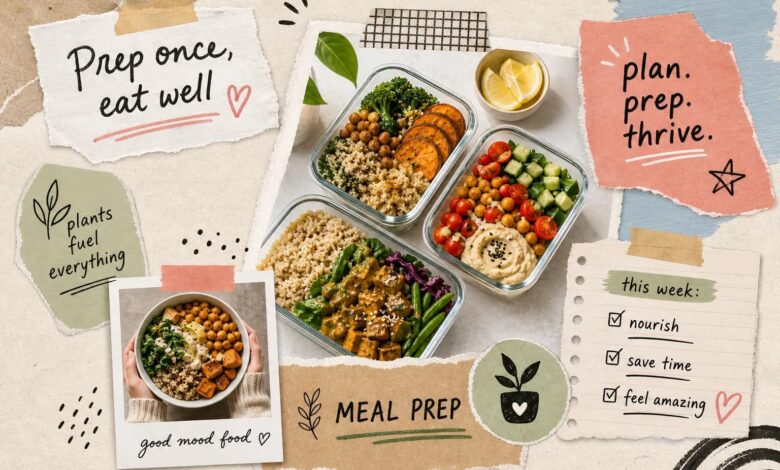
It happens to almost everyone: it’s 6 p.m., you’re exhausted, and you’re standing in the kitchen staring at a bag of lentils and a head of broccoli with absolutely no plan. That moment of blank frustration is exactly what plant based meal prep is designed to eliminate. By front-loading about an hour of cooking on the weekend, you can walk into every weeknight knowing exactly what’s for dinner without touching a single pot.
The system we use here at NestKitchenMeals isn’t about prepping finished meals. It’s about building a small set of foundational components that combine into dozens of different meals across the week. Cook a grain, cook a legume, roast some vegetables, and you’ve got the raw material for five to seven days of lunches and dinners. This guide walks through the full approach, from the cooking session itself to the storage setup that keeps everything tasting good by Thursday. You will find more ideas in kitchen decor.
The three building blocks that power a full week of plant-based meals
The shift that makes weekly plant-based meal planning sustainable is this: stop thinking in finished dishes and start thinking in components. When you prep complete meals, you’re locked into the same flavors all week. When you prep building blocks, you can mix, match, and reassemble them into entirely different meals every day without cooking anything new. Whether you’re exploring vegan meal prep ideas for the first time or refining a system you’ve had for months, this component-based approach is where most people find the most traction.
Grains: your versatile base
Quinoa, brown rice, farro, and rolled oats are the four grains worth keeping in regular rotation. Quinoa earns the top spot for high-protein vegan meal prep because it contains a more complete amino acid profile than most other grains, delivering around 8 grams of protein per cooked cup. Cooked grains hold well in the fridge for three to four days, most food-safety guidance recommends this range, though quality can vary depending on your storage setup. Cook a large batch on Sunday and you won’t touch the pot again until next weekend.
Legumes: the staying power your meals need
Beans, lentils, and chickpeas are non-negotiable in any practical vegan meal prep setup, and the protein numbers are a big reason why. Cooked lentils deliver roughly 18 grams of protein per cup, while chickpeas come in around 15 grams. That’s meaningful staying power for lunch and dinner without any animal protein involved. Canned versions are a completely valid shortcut: they cut prep time dramatically and are nutritionally comparable to dried and cooked legumes in macronutrients and most micronutrients, just rinse them well to reduce any added sodium. Open a can of chickpeas, rinse them, and you’re already halfway to a meal.
Roasted vegetables: the variable that keeps things interesting
Rotating your vegetable selection every week helps reduce boredom and supports better adherence to the routine over time. Sweet potatoes, broccoli, bell peppers, zucchini, and cauliflower all roast well and hold up in the fridge for three to four days. One large sheet pan often provides several days’ worth of portions for one or two people, depending on serving sizes. Keep the seasoning simple, olive oil, salt, and garlic powder, so the vegetables work across different bowls and flavor profiles rather than locking you into a single direction. Simple seasonings pair naturally with everything from tahini bowls to stir-fries to grain salads, which is exactly the point.
How to structure your plant based meal prep session
The cooking session doesn’t have to be an all-day project. Two realistic formats cover most households: a one-hour session for lighter weeks and a three-hour session when you want a true seven-day setup. Both use the same three building blocks and can be planned around a single grocery list. The difference is volume and variety. See also: cooking tips.
The 1-hour option for busy weeks
Start your grains first because they cook passively and don’t need attention. While the quinoa or rice simmers, chop and get your vegetables into the oven. Use that roasting window to cook your legume protein, simmering lentils or crisping canned chickpeas in a skillet both work well. With about ten minutes left, whip one sauce; a tahini dressing or simple peanut sauce comes together fast. The final step is cooling everything completely and portioning into containers. This one-hour plant based meal prep session yields five days of mix-and-match lunches and dinners, the minimum viable setup when time is genuinely tight.
The 3-hour session for a full 7-day setup
Expand the same logic and you get a complete weekly plant-based meal plan with zero nightly cooking required. Start two grains and one or two legumes in the first twenty minutes while they’re the most time-intensive. Fill a second oven tray with a different vegetable combination and roast both simultaneously. Use the middle stretch to cook your proteins, make two sauces, and prep any fresh add-ins like sliced cucumbers or shredded cabbage. The last thirty minutes go toward breakfast items: overnight oats portioned into jars, and a tofu scramble batch divided into containers. Label everything and store. Many people find that investing three hours on Sunday pays off quickly once Tuesday evening rolls around and dinner is already done.
Mix-and-match meals from your plant based meal prep
The whole point of the component system is that variety comes from swapping sauces and toppings, not from cooking new things every day. The same quinoa that goes into a lunch bowl on Monday can become a breakfast base on Wednesday and a stir-fry addition on Friday. That flexibility is what separates this approach from rigid meal plans that fall apart the moment life gets in the way.
Breakfast builds that take two minutes to assemble
Overnight oats are the anchor breakfast for this system: rolled oats, soy milk, chia seeds, and a spoonful of peanut or almond butter. Portion them into jars on Sunday and they’re ready to grab every morning through Friday. They require zero weekday effort and deliver solid protein from the oats, chia, and soy milk combination. For a hot option, a tofu scramble cooked once in a single pan and divided into portions covers the full week. Crumble the tofu, season with turmeric, cumin, and garlic powder, and cook with whatever vegetables you have on hand. Both options mean no weekday cooking before 8 a.m.
Lunch and dinner combinations using your prepped components
The same prepped ingredients produce genuinely different meals depending on how you combine them. Quinoa with lentils and tahini dressing is a clean, filling lunch bowl. Those same lentils combined with your roasted sweet potatoes, a splash of vegetable broth, and a handful of greens become a one-pot lentil and sweet potato hash for dinner. The NestKitchenMeals one-pot plant-based recipe library is built specifically for this kind of rotation, with many recipes designed to yield around four servings and slot naturally into a prep-based weekly plan. Swapping the sauce, adding different toppings, or serving the same components over a different grain is enough to make Tuesday’s dinner feel nothing like Sunday’s lunch.
What to buy for an affordable, stress-free prep week
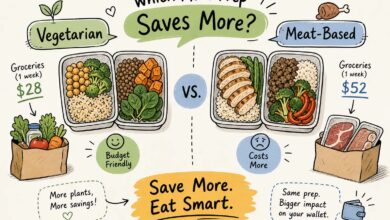
A well-stocked pantry is the infrastructure that makes the whole system work. With the right staples already on the shelf, your weekly grocery haul shrinks to fresh produce and a few rotating additions. Most people spend around $40 per person per week on a pantry-staple-centered plant-based plan, which is significantly less than daily takeout or pre-packaged meal kits.
Pantry staples to keep stocked at all times
These are the ingredients that never fully run out in a plant based meal prep kitchen:
- Dried or canned lentils, black beans, and chickpeas
- Brown rice, quinoa, rolled oats, and pasta
- Canned tomatoes and vegetable broth
- Cumin, paprika, garlic powder, nutritional yeast, and soy sauce or tamari
- Peanut butter and tahini for quick sauces and dressings
These ingredients form the backbone of every make-ahead vegan meal in the rotation. When they’re already on the shelf, weekly shopping becomes a quick, predictable errand rather than a stress-inducing haul.
Weekly fresh and frozen additions
Frozen vegetables, specifically broccoli, edamame, and peas, are nutritionally comparable to fresh and cut your prep time in half. They don’t go bad mid-week, which removes a major source of food waste. For fresh produce, focus on items with a longer shelf life: onions, garlic, sweet potatoes, and carrots all hold for a week or more without any special storage. Add one or two seasonal vegetables to rotate in variety without inflating the grocery bill. Keeping the fresh list short and the frozen list stocked is what makes the whole shopping routine sustainable week after week.
Storing your prep so it actually stays good all week
Good storage turns a solid prep session into a reliable system. Poor storage turns that same session into a week of soggy, flavorless containers you don’t want to open. The container choices and a few key habits make the difference.
Container types and sizing that work for plant-based components
Glass containers with airtight lids are the strongest all-around choice for reheating and preserving flavor. Unlike plastic, glass doesn’t absorb odors or stain from spiced foods like turmeric-heavy tofu scrambles or lentil curries. Bento-style or compartmented containers keep your grains, proteins, and vegetables separated until you’re ready to eat, which prevents the sogginess that comes from everything sitting in the same moisture. Mason jars earn their place in this system specifically for overnight oats and layered salads. The container guides at NestKitchenMeals break down options by meal type, portion size, and budget, so you can find the right setup without guessing or buying something that doesn’t fit your needs.
Fridge and freezer timelines to plan around
Cooked grains hold for three to four days refrigerated. Cooked legumes, roasted vegetables, and cooked tofu each hold for three to four days as well. For freezer-friendly plant-based recipes, most components stay good for one to two months when sealed properly. Always store sauces and dressings separately and add them after reheating to preserve texture. The one habit that protects everything else: let components cool completely on a baking sheet or wire rack before sealing containers. Sealing warm food traps steam, which creates condensation, and condensation is what turns crispy roasted broccoli into a limp, watery disappointment by day two. Label your containers with the date so nothing gets forgotten at the back of the fridge.
Building the habit that actually sticks
The component-based approach works because it’s forgiving. If you forget to roast the broccoli, you still have quinoa and lentils. If you run out of tahini dressing by Wednesday, a spoonful of peanut butter and some soy sauce gets you a sauce in under two minutes. The system doesn’t require perfection; it just requires one session per week where you cook a grain, cook a legume, and roast whatever vegetables you have.
For anyone new to plant based meal prep for beginners, start with the one-hour session. Pick one grain, one legume, one vegetable, and one sauce you actually like. Do that for two or three weeks until the routine feels automatic. Then expand to the three-hour session and a broader weekly plant-based meal plan with two proteins, two grains, and two sauces. The first Sunday tends to be the steepest part of the learning curve. Everything after that gets easier, and by the time it’s genuinely routine, the question stops being “what should I cook tonight?” and starts being “which combination do I feel like today?” Start your plant based meal prep this Sunday and see how much of that weeknight stress simply disappears.
Frequently asked questions about plant based meal prep
- How long do prepped components last in the fridge?
- Cooked grains hold for three to four days when stored in airtight containers. Cooked legumes, roasted vegetables, and cooked tofu last three to four days as well. Sauces and dressings are best stored separately and added after reheating.
- Is plant based meal prep worth it if I only cook for one person?
- Yes, the component system scales down easily. A single batch of quinoa and one can of chickpeas gives one person a full week of lunch and dinner bases without waste. Frozen vegetables help keep the fresh-produce portion manageable.
- What’s the best way to start plant based meal prep for beginners?
- Begin with the one-hour session: one grain, one legume, one roasted vegetable, and one sauce. Keep it simple for two or three weeks until the routine feels natural, then add variety from there.