As an Amazon Associate I earn from qualifying purchases. Some links in this post are affiliate links, at no extra cost to you.
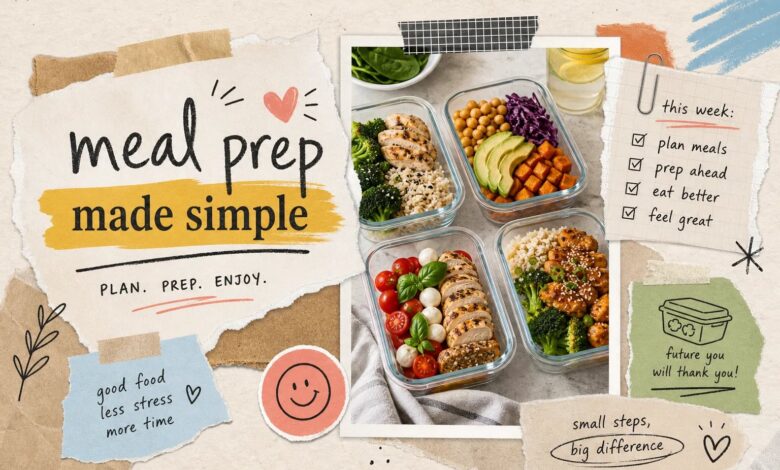
It’s 6pm on a Tuesday. You’re exhausted, the kitchen feels like enemy territory, and someone just asked what’s for dinner. That exact moment is why batch cooking exists, and it’s exactly why knowing how to start meal prepping for the week can change the way you eat. A single Sunday session, two to three hours at most, can answer that question every night without any Tuesday-evening decision-making. You will find more ideas in kitchen decor.
This guide covers exactly how to set up your first week of meal prep from scratch: what to buy, what to cook first, how to store everything safely, and what to eat each day. You don’t need a perfectly stocked kitchen or a food blog aesthetic to make this work. You need one grocery run, a few airtight containers, and a plan. That’s it.
At NestKitchenMeals, we’ve put together beginner recipe guides and printable weekly meal prep templates to complement everything you’ll learn here, so you have a clear place to go when you’re ready to build on this foundation.
What your first week of meal prep actually looks like
Before you buy anything or turn on the stove, set realistic expectations. Many beginners picture a five-hour production with color-coded containers lining every shelf of the fridge. That image is why most people quit before they ever start. The reality is far simpler, and far more sustainable.
The 2-to-3-hour beginner window
A first prep session, including cleanup, takes between two and three hours. With a simple menu, many new preppers land closer to two hours because the majority of the cooking is hands-off. Hands-off time means your grain is simmering on the stove and your protein is roasting in the oven while you chop vegetables on the cutting board. You’re not standing over the stove for three hours; you’re doing several things at once while the kitchen does most of the work.
The only formula you need for week one
One protein plus one grain plus one vegetable equals meals for the entire week. That’s the whole framework. This approach keeps the grocery list short, limits food waste, and gives you the flexibility to mix and match throughout the week without planning seven separate recipes. The goal for week one isn’t variety; it’s momentum. Build the habit first, then add complexity later.
How to Start Meal Prepping for the Week: Your Grocery List and Containers
A beginner grocery run for a full week of prep should stay focused and affordable. You’re not stocking a restaurant; you’re buying a small set of versatile ingredients that batch well and stay fresh for four to five days refrigerated. Getting this list right is the first real step in weekly meal planning.
The core staples worth buying every week
Pick one protein. Boneless chicken thighs work well because they stay moist when roasted and reheat without drying out. For a plant-based option, canned chickpeas or dried lentils are inexpensive, hold up in the fridge for days, and absorb seasoning well.
For your grain, brown rice or quinoa are the most reliable choices, both cook hands-off and serve as a base for bowls, wraps, and stir-fries. For vegetables, grab two or three versatile options such as broccoli, sweet potatoes, and bell peppers, all of which roast quickly and pair with almost anything. Round out your cart with olive oil, garlic, salt, and one seasoning blend you like.
Containers and tools to grab before you start
You don’t need much gear. The essential list is a large sheet pan, a sturdy pot with a lid, a cutting board, a sharp knife, and a set of airtight containers. For individual meals, 3-cup glass containers are the most practical size because they fit a full serving of protein, grain, and vegetables without wasted space. For soups, overnight oats, and sauces, 16-ounce mason jars work well. Glass is the better material choice overall: it’s microwave-safe, doesn’t stain, and doesn’t hold onto food odors the way plastic does after repeated use.
How to Start Meal Prepping for the Week: Your 2-Hour Prep Session
The sequence matters more than the recipes. Starting the right things first is what compresses a longer session into two hours. Have all your ingredients washed, measured, and within reach before you start the timer, that five-minute setup pays off immediately. Here’s the order of operations for a beginner Sunday batch cook.
- Minutes 0 to 15: get the stove and oven working. Start your grain on the stove first since it takes the longest and requires almost no attention once it’s simmering. Preheat the oven at the same time, and season your protein so it’s ready to go in as soon as the oven is hot. These first fifteen minutes set up the entire session.
- Minutes 15 to 45: get protein and vegetables cooking. Place the seasoned protein on a sheet pan and put it in the oven. Chop your vegetables and get them onto a second sheet pan or into a roasting dish alongside the protein. With both the oven and stove running, you’ve now started all three components of your formula at once.
- Minutes 45 to 75: use the passive time. While the rice simmers and the oven does its job, prepare a sauce or dressing, portion overnight oats into jars, or hard-boil eggs. This parallel workflow is what separates a two-hour session from a four-hour one. Nothing here is urgent; you’re just filling time that would otherwise sit idle.
- Minutes 75 to 105: cool, portion, and pack. Pull everything from the oven when it’s done and spread it out on sheet pans or a clean counter to cool. Food must cool before you seal containers; trapping steam creates condensation inside, which speeds up spoilage. Once cooled, divide each component into individual containers so a full meal is ready to grab without any thought. Label each container with the prep date using masking tape, the dedicated labeling section below covers the full system.
- Minutes 105 to 120: clean up. Wash the pots, wipe down the counter, and you’re done. The kitchen is clean and the fridge is stocked.
A simple 5-day meal plan to follow this week
Most beginner guides explain how to prep but skip the most practical question: what do you actually eat each day? Here’s a ready-to-use Monday-through-Friday plan built from the Sunday components above, a straightforward set of make-ahead meals that require no extra cooking mid-week.
Breakfast options that require zero morning effort
Prep overnight oats on Sunday by portioning oats, your choice of milk, chia seeds, and a little honey into mason jars. They hold well for four to five days and take thirty seconds to grab on the way out the door. Egg muffins, baked in a standard muffin tin with eggs, diced vegetables, and cheese, are the second option and last three to four days refrigerated. Both options are covered in beginner-friendly detail in the NestKitchenMeals recipe guide section, with simple variations to keep them from feeling repetitive by Friday.
Lunch and dinner built from the same prep batch
Sunday’s grain, protein, and roasted vegetables power both lunch and dinner all week. These are classic meal prep recipes for the week that keep things interesting without adding any cooking time. Lunches pull from the same components with a different sauce or topping each day: tahini on Monday, salsa on Wednesday, a ginger-soy drizzle on Friday. Dinners rotate the protein in slightly different formats: a rice bowl on Monday, a wrap with the same chicken or chickpeas on Wednesday, and a quick stir-fry on Friday using the leftover vegetables. You’re not cooking anything new mid-week; you’re just presenting the same food differently. That structure prevents boredom without adding a single minute of extra cook time. Related reading: cooking tips.
How to store everything so it actually stays fresh
Storage is where beginners often lose food or lose confidence. The rules are simple once you know them, and they apply to everything you’ll prep.
How long does prepped food last?
Cooked proteins, grains, and vegetables all follow the same USDA guideline: three to four days refrigerated at 40°F or below. Mixed meals like soups and casseroles follow the same three-to-four-day rule. For anything that won’t be eaten by day four, freeze it immediately after cooling. Frozen cooked meals stay safe indefinitely but are best in quality within two to three months. Overnight oats last up to five days refrigerated, and egg muffins hold for three to four days. Energy balls made from dry ingredients like oats, nut butter, and seeds last about a week in the fridge.
The labeling system that eliminates guesswork
Write the prep date on masking tape and stick it directly on the container before it goes into the fridge. No guessing, no sniffing, no holding containers up to the light to decide if something is still good. Organize your fridge by meal type: one row for breakfasts, one for lunches, one for dinners. This setup turns the fridge into a grab-and-go system instead of a mystery box, which is the difference between actually using the food you prepped and letting it sit until it goes bad.
Three habits that help beginner meal preppers actually stick with it
Many people try meal prep once, find it imperfect, and don’t come back. These three adjustments fix the real reasons beginners quit.
Start with 4 days, not 7
Prepping food for a full seven days is harder to execute and more likely to result in waste, since food pushed to day five or six is often past its best quality window. A Sunday-to-Wednesday prep session, followed by a short twenty-to-thirty-minute midweek refresh on Wednesday evening for the back half of the week, is a more sustainable rhythm. Two shorter sessions feel far less daunting than one massive production, and the food stays fresher throughout the week.
Keep it boring on purpose for the first month
Resist the urge to plan four new recipes for your first session. Rotating the same three or four reliable staples for several weeks builds real speed, real confidence, and a system that runs on autopilot. Once the workflow feels automatic, adding variety is straightforward because the structure is already there. When you’re ready to expand your rotation, the beginner recipe section and downloadable prep templates at NestKitchenMeals are the right next step, built specifically for this progression, not for cooks who already know what they’re doing.
You’re one Sunday session away from a better week
Getting your first week of batch cooking done doesn’t require a perfectly equipped kitchen or hours of free time. A single grocery run, one focused prep session, and a handful of airtight containers are genuinely all it takes. The framework is simple: one protein, one grain, one vegetable, cooked in parallel and stored in labeled containers for the week ahead.
Start with the five-day plan in this guide. Don’t modify it, don’t add recipes, and don’t try to make it more impressive than it needs to be. One straightforward Sunday session is enough to answer the “what’s for dinner?” question every night this week without any extra effort.
Now you know how to start meal prepping for the week, so pick a Sunday, pull up this guide, and run the session once. NestKitchenMeals has beginner recipe guides and printable weekly templates ready when you want to make future sessions faster and more varied. This week’s prep doesn’t have to be perfect. It just has to happen.