As an Amazon Associate I earn from qualifying purchases. Some links in this post are affiliate links, at no extra cost to you. See also: recipes.
The nonstick pans 2026 shoppers are choosing look nothing like what was on store shelves five years ago. New coating formulations, stricter consumer awareness around PFAS chemicals, and a flood of ceramic-coated options at every price point have made picking the best nonstick pan genuinely complicated. At NestKitchenMeals, we’ve spent months reviewing independent lab data and cross-referencing major publication roundups to cut through the noise, so you don’t end up with a pan that chips before spring.
This roundup covers what’s actually changed with nonstick skillets in 2026, what the safety research says in plain terms, and the top picks by price tier from budget to mid-range. You’ll also get practical care habits that extend the life of whatever pan you choose. Whether you’re stocking your first kitchen or replacing a worn-out pan, this guide gives you a clear answer based on coating type, price tier, and how you actually cook.
What’s new in nonstick coating technology for 2026
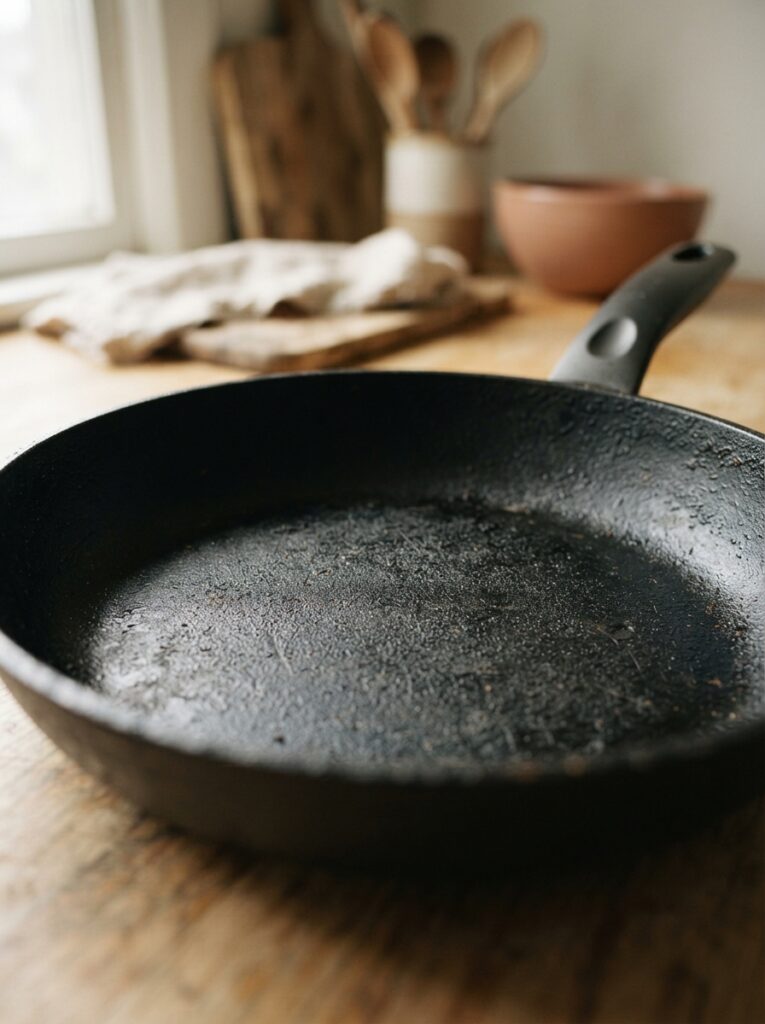
Nonstick coating options have changed meaningfully this year, and it matters for buying decisions. If you shopped nonstick cookware a few years ago, the category looks noticeably different now, especially at accessible price points.
Traditional PTFE coatings: still the slickest option on the market
PTFE, the fluoropolymer behind Teflon-type pans, remains the most common nonstick surface in 2026 and still delivers the best food-release performance for eggs, pancakes, and delicate fish. Newer multi-layer PTFE formulations are generally harder and more scratch-resistant than earlier single-layer versions, according to durability comparisons published by major cookware review outlets. That said, heat limits still apply: PTFE begins to degrade around 500°F, so overheating an empty pan remains the most avoidable mistake you can make.
Ceramic and hybrid coatings: the fastest-growing category
Ceramic-coated pans have improved significantly since their early reputation for wearing out fast. Some 2026 models advertise titanium or metal-reinforced ceramic layers that brands claim perform better at higher heat than older single-layer ceramic options, making them a popular recommendation for cooks who want a coating without fluoropolymers. Performance still varies widely by brand, and marketing labels consistently outpace what the coating actually delivers, so independent test data is the only reliable guide.
PFAS, PTFE, and nonstick safety: what 2026 research actually says
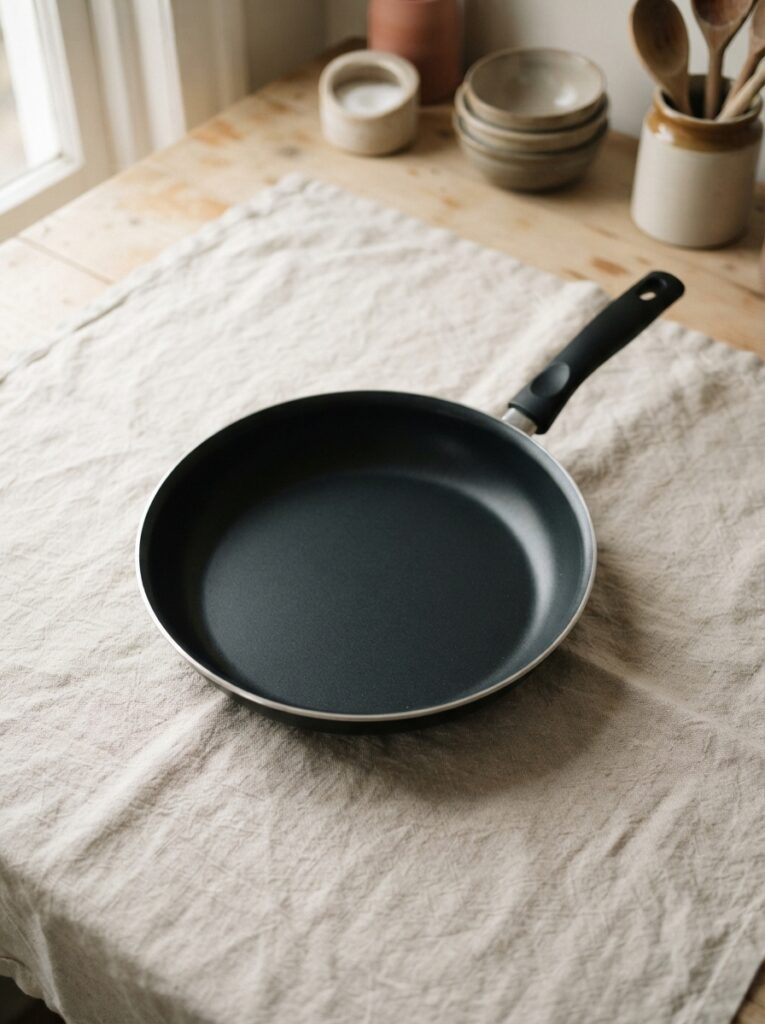
The confusion around nonstick safety mostly comes down to three abbreviations that get used interchangeably but mean very different things. Getting these straight makes every buying decision simpler.
PTFE vs. PFOA: why these are not the same thing
PFOA is a processing chemical used in older nonstick manufacturing. The International Agency for Research on Cancer classified it as a Group 1 carcinogen, and it has been phased out of U.S. cookware production. PTFE is a separate compound entirely. It remains federally authorized for food-contact use under 21 CFR § 177.1550, and at normal cooking temperatures, PTFE does not carry a documented health risk. The key caution is still heat: PTFE degrades above approximately 500°F, which means leaving an empty pan on a high burner is genuinely something to avoid.
What “PFAS-free” actually means on a label in 2026
“PFAS-free” is a marketing claim, not a certified standard. No universal third-party certification program governs it across all brands, and testing by the Ecology Center has found that roughly 79% of nonstick cooking pans are coated with PTFE even when marketed as non-toxic. The safest approach is to look for brands that publish independent chemical testing results rather than relying on label language. Brands like Caraway, Made In, and GreenPan have published third-party PFAS-free lab results for their 2026 cookware lines, making them a more verifiable choice for buyers who prioritize this.
How to choose nonstick pans in 2026: a practical buying guide
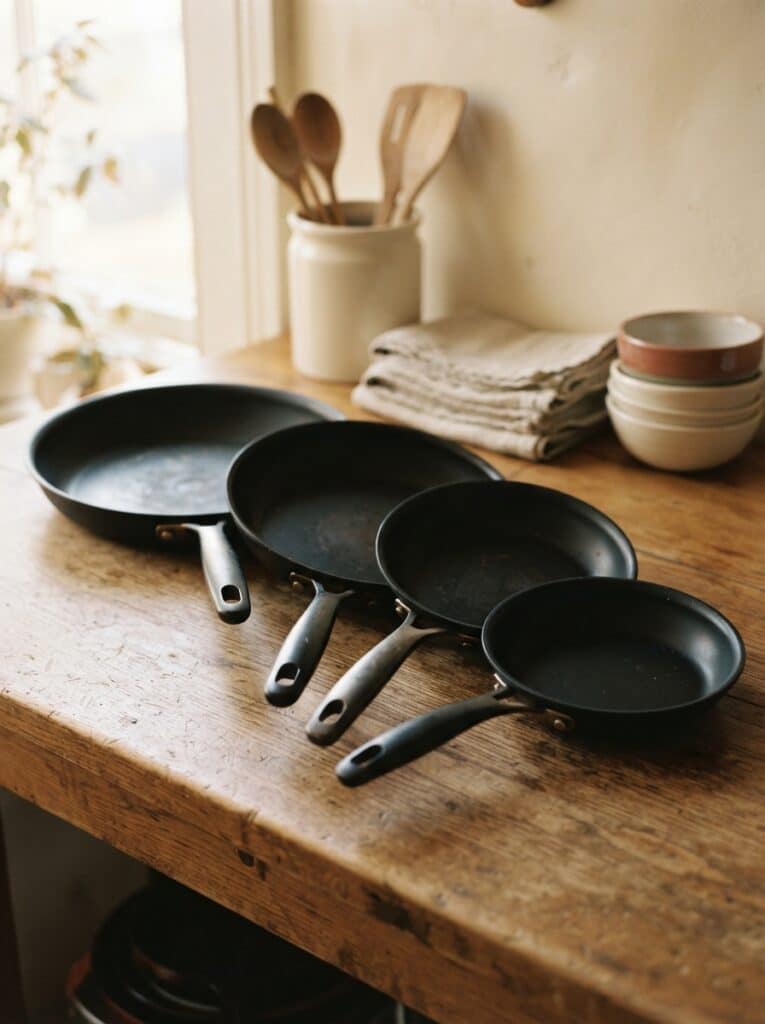
Before diving into specific picks, it helps to understand what separates a pan that lasts from one that doesn’t. The main variables are coating type, base construction, induction compatibility, and oven-safe temperature limits. Matching those specs to how you actually cook narrows the field quickly.
Best nonstick pans of 2026, ranked by price
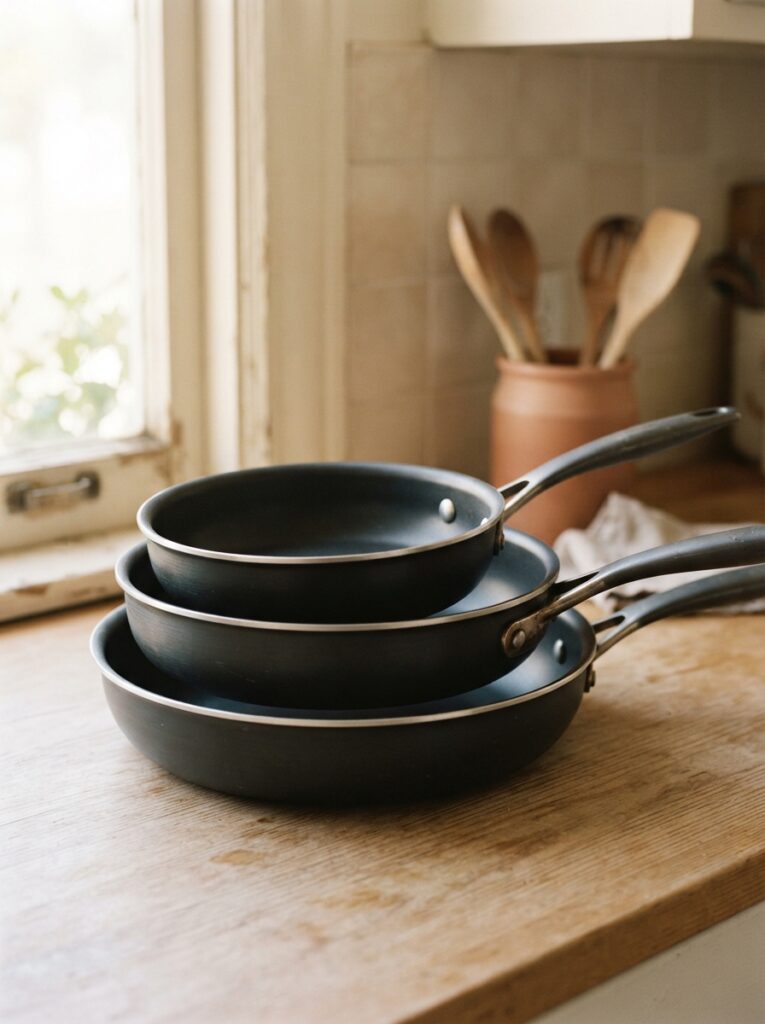
The picks below are drawn from independent lab testing, major publication roundups, and repeat consensus across sources. These are the pans worth your money at each tier, full stop.
Best nonstick pans under $50
The Tramontina Professional Nonstick Fry Pan is the consistent top value pick in 2026 testing. Its thick cast-aluminum construction heats more evenly than competitors at this price, and the nonstick release holds up well with proper care. It has earned top marks across multiple major review outlets, including repeated recognition from Wirecutter, in head-to-head tests against more than 25 pans. The Amazon Basics 12-inch Heavy-Gauge Aluminum is a close runner-up for even cooking at an even lower entry price. For home cooks on a strict budget, either pan performs well above its price class for everyday stovetop cooking.
Best nonstick skillets from $50 to $150
The Le Creuset Toughened Nonstick PRO is the best overall pick at this price. It heats quickly, releases fried eggs without fuss, and retains heat more consistently than most pans in the mid-range bracket. The Made In CeramiClad Nonstick Fry Pan is the top ceramic option in this tier, with strong heat distribution, published PFAS-free testing results, and easy cleanup. The OXO Good Grips Pro rounds out the tier with a sturdy build, a comfortable handle, and competitive nonstick performance that holds up through heavy weeknight use.
When a premium pan is worth the extra spend
For most beginner and intermediate home cooks, pans in the $50 to $150 range deliver everything needed for daily cooking. Spending above $150 makes the most sense for serious cooks who use nonstick pans daily across multiple burner types. Induction compatibility paired with premium construction is the other scenario worth the extra cost. For everyone else, the mid-range tier covers the same ground at a fraction of the price.
How coating type affects induction, oven use, and high-heat performance
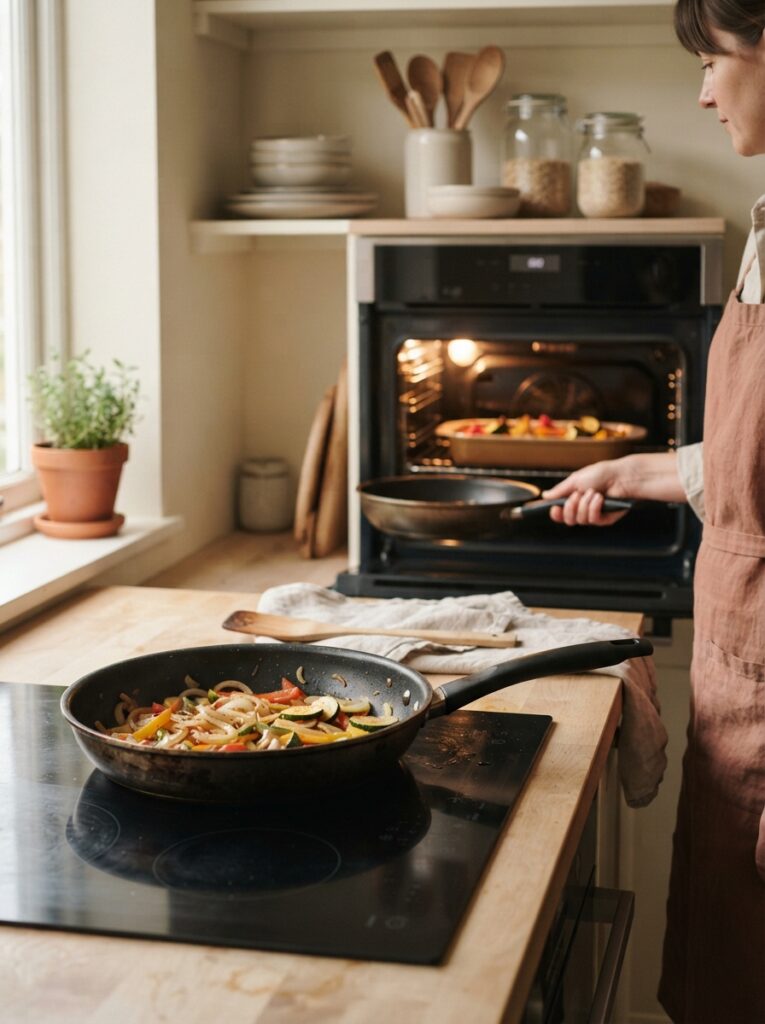
Matching the right pan to your actual kitchen setup matters more than most buyers realize. Induction ranges, oven finishing, and high-heat searing each point to different coating choices.
Hard-anodized nonstick: the most versatile construction
Hard-anodized aluminum pans heat evenly and hold up well under daily use, making them a strong choice for cooks who want durability without sacrificing nonstick convenience. Many 2026 models include a magnetic stainless-steel base for induction compatibility, but you need to verify this for each specific pan because the anodized aluminum itself is not induction-ready. Oven limits range from 350°F to 500°F depending on the brand and handle materials, which makes hard-anodized a flexible choice for cooks who like to finish dishes under the broiler or in a hot oven.
Ceramic vs. PTFE for induction and high-heat cooking
Neither ceramic nor PTFE coatings affect induction compatibility on their own. What matters is whether the pan has a magnetic base, so check that specification before buying. Ceramic-coated pans tolerate higher cooking temperatures than PTFE before coating degradation begins, with ceramic starting to break down around 400 to 425°F compared to PTFE’s threshold near 500°F. PTFE-coated pans perform best at low to medium heat and are the top choice for delicate cooking like eggs and crepes, not high-heat searing. For true searing, stainless steel or cast iron outperforms all nonstick coating types. You will find more ideas in cooking tips.
Simple care habits that make your nonstick pan last for years
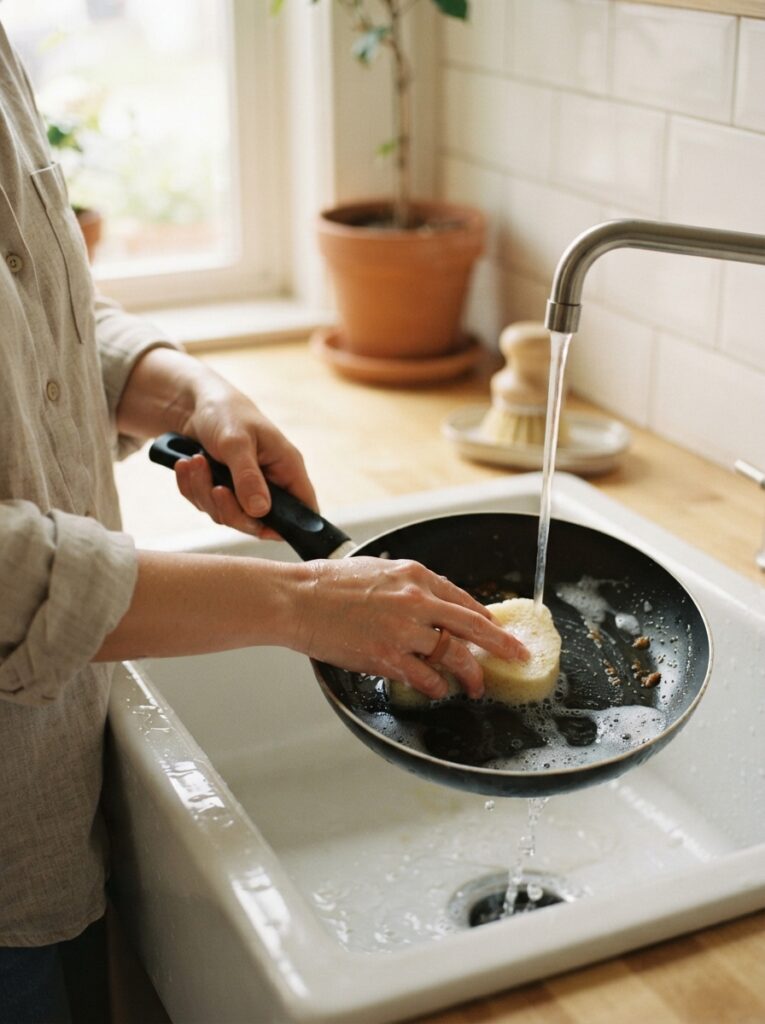
A quality nonstick pan used carefully can last three to five years. The same pan treated carelessly often wears out in under a year. The difference comes down to a handful of specific habits, not complicated routines.
The daily habits that protect your coating
- Cook on low to medium heat. High heat is the fastest way to degrade any nonstick coating, whether PTFE, ceramic, or hard-anodized.
- Use silicone, wood, or nylon utensils only. Metal spatulas and whisks scratch even the hardest coatings over time, and the damage is cumulative.
- Let the pan cool fully before washing. Running cold water into a hot pan warps the base and weakens the coating bond permanently.
- Hand wash with warm water and a soft sponge, even if the pan is labeled dishwasher-safe. Dishwasher detergents accelerate surface wear significantly.
Storage mistakes that shorten pan life
Stacking pans directly on top of each other scratches the nonstick surface every time you pull one out or put one back. Place a soft liner, cloth towel, or paper plate between them to prevent contact scratches. Skip aerosol cooking sprays entirely: they leave a sticky polymer buildup on the nonstick surface that blocks release performance and is notoriously difficult to remove without abrasive scrubbing that damages the coating further.
Going deeper on cookware care
If you’re building out your kitchen and want to pair your new pan with the right utensils, a solid cleaning routine, and complementary pieces, the NestKitchenMeals beginner cookware guide covers exactly that. It maps each pan type to the tools and habits that maximize its lifespan, so you get more out of every purchase from day one. If you want to go further, meal prep covers it in detail.
The right pan is out there: here’s how to find it
Choosing the best nonstick pan in 2026 comes down to coating type, price tier, and how you actually cook. For most home cooks, the Tramontina under $50 or the Le Creuset Toughened Nonstick PRO in the $50 to $150 range cover the large majority of everyday cooking needs without overspending.
Picking a great pan is step one. Caring for it properly is what makes it last three years instead of one. Low heat and soft utensils cost nothing; hand washing adds thirty seconds. Skip any of them and expect to replace the pan well ahead of schedule.
Before you shop, check the NestKitchenMeals beginner cookware guide for a full breakdown of how to build a functional, affordable kitchen toolkit around your new pan. The right setup from the start saves you money and makes cooking genuinely easier every single day. For more on this, see our kitchen decor guide.